Cute Woodland Christmas Clipart for Illustrations
As a brand designer who has spent the last decade helping local businesses find their visual voice, I approach every new graphic design asset with a critical eye. It is not enough for an image to be pretty; it must work hard for the business that uses it. Recently, I evaluated a collection titled Cute Woodland Christmas Clipart for a potential project involving a small-batch artisanal candle maker and a local organic bakery. The goal was to determine if these assets could elevate their holiday packaging and social media presence without diluting their established brand identities.
The first impression of this collection is undeniably warm and inviting. The mood it creates is one of nostalgic comfort, blending rustic charm with a touch of whimsical playfulness. For brands that position themselves as handmade, organic, or community-focused, this aesthetic is a powerful tool. It suggests a brand personality that is friendly, approachable, and deeply rooted in tradition. Unlike sleek, modern minimalism which can sometimes feel cold during the holidays, these illustrations evoke the feeling of a cozy cabin or a forest walk after a fresh snowfall. This emotional connection is vital for small business branding, where customers often buy into the story and the maker as much as the product itself.
Strategic Applications for Local Business Branding
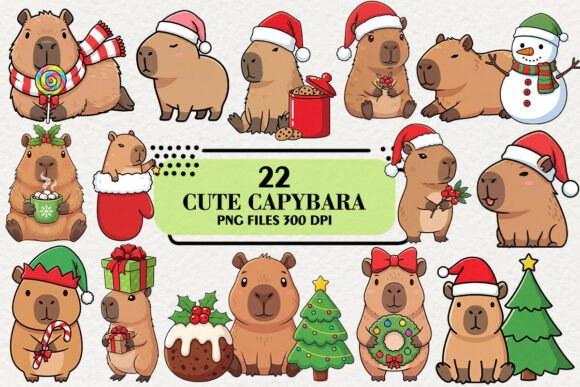
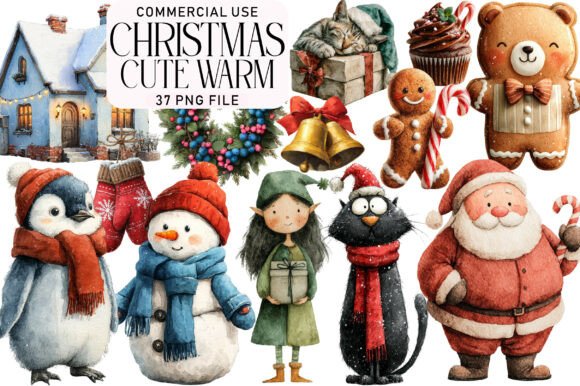
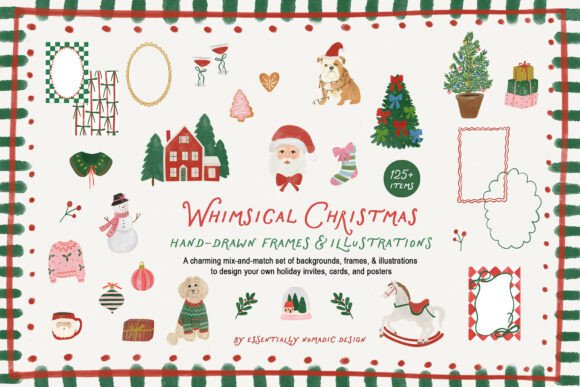
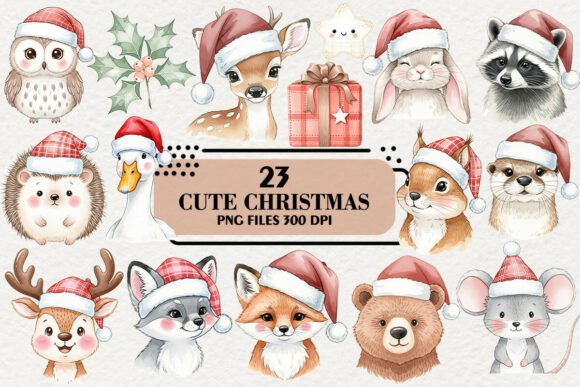
When considering how to integrate Cute Woodland Christmas Clipart into a real-world design strategy, versatility is key. For the candle brand I consulted for, we looked beyond simple decoration. We used the woodland animal motifs and festive botanical elements to create a cohesive brand identity for their limited-edition winter line. The assets were applied to product labels, where they served as the hero graphic, drawing the eye immediately on crowded retail shelves. For the bakery, the clipart was adapted for hang tags attached to gift boxes of cookies, creating a tangible sense of care and attention to detail that enhances customer trust.
Beyond physical packaging, these assets are invaluable for digital marketing. Social media managers can use them to create engaging Instagram stories, Facebook post backgrounds, and Pinterest pins that maintain visual consistency across platforms. A well-designed social media graphic using these elements can stop the scroll and encourage engagement. Furthermore, they are perfect for printable designs such as thank-you cards inserted into online orders. This small touch reinforces the professional branding of the business and encourages repeat purchases by making the unboxing experience memorable.
Enhancing Visual Hierarchy and Shelf Appeal
One of the most significant benefits of using high-quality clipart like this is the improvement of visual hierarchy. In packaging design, the consumer’s eye needs to travel logically from the brand name to the product type, and finally to the decorative elements that convey the mood. The Cute Woodland Christmas Clipart features clean lines and balanced compositions that support this flow. They do not overwhelm the text but rather frame it, ensuring that important information remains legible while adding decorative value.
This balance is crucial for better shelf appeal. In a local boutique or farmers' market setting, products compete for attention in seconds. A label featuring a charming fox or a delicate pine branch illustration stands out against generic competitors. It signals that the product is special, curated, and worth the premium price point. This stronger first impression translates directly into sales, as customers associate the polished look with higher quality ingredients and craftsmanship.
Where to Use These Assets with Caution
While these illustrations are versatile, they are not a one-size-fits-all solution. As a designer, I advise caution when using them in formal corporate branding or for luxury minimalist brands that rely on stark simplicity and monochrome palettes. The playful nature of woodland creatures may clash with a serious, high-end aesthetic. Additionally, care must be taken when placing these graphics on very small labels or crowded product packaging. If the design is too busy, it can compete with essential legal information, ingredient lists, or barcodes, leading to compliance issues or customer confusion.
It is also important to consider contrast. These assets should not be placed on low-contrast backgrounds where details might get lost. For example, a light brown deer illustration on a kraft paper background may lack the necessary pop unless outlined or backed with a contrasting shape. Always test the asset in its intended environment to ensure it maintains its integrity and readability.
Practical Designer Notes for Implementation
Before finalizing any design using Cute Woodland Christmas Clipart, there are several technical checks I recommend. First, always test the assets on real product mockup templates. Seeing the design in context helps identify scaling issues or color clashes that are not apparent on a white screen. Check the black and white usage to ensure the illustrations hold up if you need to print on single-color receipts or simple stamp designs.
Typography pairing is another critical consideration. These woodland illustrations pair beautifully with serif fonts that evoke tradition, handwritten fonts that emphasize the handmade aspect, and clean sans serif fonts for modern clarity. Avoid overly decorative display fonts that might compete with the intricate details of the clipart. If you are using SVG design files, inspect the vector editability to ensure you can adjust colors to match your specific brand palette. For PNG design files, verify the transparency quality to ensure smooth edges when layered over photos or colored backgrounds.
Finally, always confirm the commercial license terms. Whether you are using these for client work, your own small business branding, or physical product sales, understanding the rights associated with the commercial design asset is non-negotiable. Ensure that the license covers the volume of production you anticipate, especially for seasonal campaigns where demand may spike. By treating these illustrations as strategic components of your marketing visuals rather than just decorations, you can create a cohesive, professional, and emotionally resonant brand experience that delights customers and drives growth.